
Introduction
Queen Victoria and Prince Albert’s story is one of romance, duty, and enduring influence. Their marriage was not only a union of two individuals but also a partnership that shaped the course of British history. Victoria, ascending the throne at a young age, found in Albert a confidant, advisor, and lifelong companion. Together, they balanced the demands of monarchy with family life, leaving behind a legacy that continues to inspire. Their relationship was marked by devotion, shared values, and a vision for progress, making them one of history’s most iconic royal couples.
Early Lives and Backgrounds
Victoria was born in 1819 and raised under strict supervision, preparing her for the throne she would inherit at just 18 years old. Her upbringing instilled discipline but also left her isolated, making her crave genuine companionship. Albert, born in 1819 in Germany, was educated in liberal arts and sciences, fostering a keen interest in culture, politics, and reform. His intellectual curiosity and moral integrity made him an ideal partner for a queen navigating the complexities of leadership.
Their contrasting yet complementary backgrounds set the stage for a powerful union. Victoria’s royal authority combined with Albert’s progressive mindset created a dynamic partnership. While Victoria embodied tradition and continuity, Albert represented innovation and modernity. This balance would later define their reign and influence Britain’s transformation during the 19th century.
Courtship and Marriage
Victoria and Albert first met in 1836, introduced by family connections. Their bond grew quickly, and Victoria proposed to Albert in 1839, a rare reversal of traditional roles. Their wedding in 1840 was celebrated across Britain, symbolizing hope and stability for the monarchy.
The early years of their marriage were not without challenges. Victoria initially struggled to balance her independence with Albert’s growing influence. However, their mutual respect and affection helped them overcome differences. Albert’s calm demeanor complemented Victoria’s strong personality, creating a partnership rooted in trust and love. Their marriage became a model of devotion, admired by subjects and foreign royals alike.
Partnership in Politics and Governance
Albert played a significant role in shaping Victoria’s reign. Though not officially recognized as co-ruler, he became her closest advisor. He encouraged her to adopt a more thoughtful approach to politics, emphasizing diplomacy and reform. Albert’s involvement in issues such as education, science, and industrial progress reflected his vision for a modern Britain.
Victoria relied heavily on Albert’s counsel, especially during political crises. His influence extended to foreign policy, where he promoted peace and cooperation among European nations. Together, they projected an image of stability and progress, strengthening the monarchy’s relevance in a rapidly changing society. Their partnership demonstrated how love and leadership could coexist, redefining the role of royalty in governance.
Family Life and Children
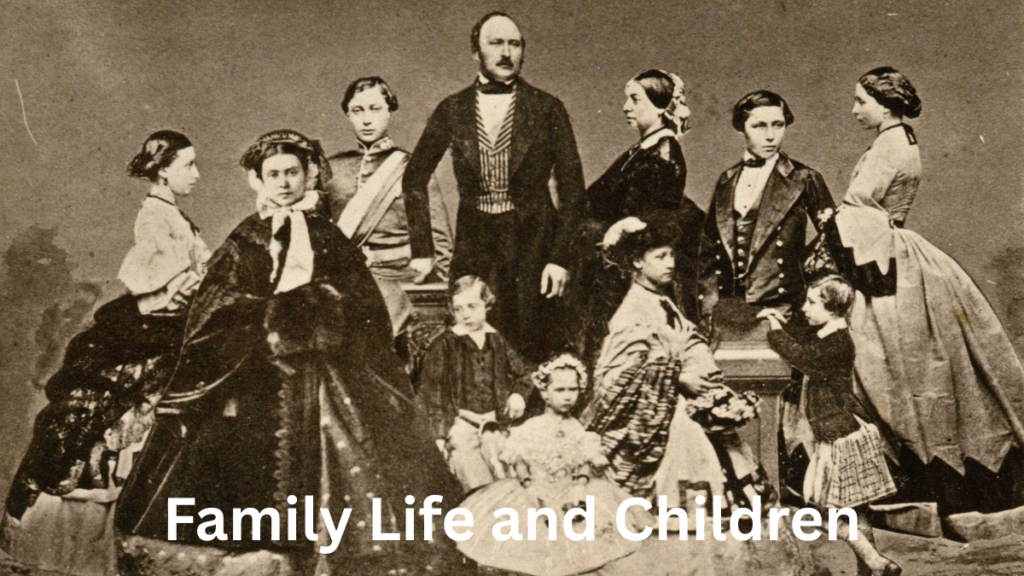
Victoria and Albert were devoted parents to their nine children. They emphasized education, discipline, and moral values, preparing their offspring for roles in European dynasties. Their children’s marriages connected Britain to royal families across the continent, earning Victoria the title “Grandmother of Europe.”
Despite their royal duties, Victoria and Albert cherished family life. They created a nurturing environment at Osborne House and Balmoral Castle, where they enjoyed private moments away from public scrutiny. Their parenting style reflected both affection and responsibility, shaping the future of European politics through dynastic alliances.
Cultural and Social Contributions
queen victoria and albert extended beyond politics into culture and society. He championed the arts, sciences, and education, believing in their power to uplift society. His greatest achievement was the Great Exhibition of 1851, showcasing industrial progress and innovation on a global scale. This event highlighted Britain’s leadership in technology and commerce.
queen victoria and albert also influenced architecture and public institutions. Their patronage supported museums, universities, and cultural projects that enriched British society. Together, they embodied Victorian values of progress, morality, and civic responsibility, leaving a lasting imprint on the nation’s cultural identity.
Albert’s Death and Victoria’s Mourning
Albert’s death in 1861 devastated Victoria. She withdrew from public life, wearing black mourning attire for the rest of her reign. Her grief was profound, reflecting the depth of their bond. Victoria commissioned memorials, including the Albert Memorial in London, ensuring his legacy endured queen victoria and albert.
Her prolonged mourning affected the monarchy’s public image, but it also reinforced the narrative of their love story. Victoria’s devotion to Albert became legendary, symbolizing loyalty and eternal affection. His absence left a void in governance, but his influence continued to shape her decisions and the monarchy’s direction queen victoria and albert.
Legacy of Queen Victoria and Albert
The legacy of Victoria and Albert is multifaceted. Their love story remains one of history’s most celebrated romances, inspiring generations. Politically, Albert’s reforms and Victoria’s leadership modernized the monarchy, aligning it with societal progress. Their children’s dynastic marriages influenced European politics for decades.
Culturally, their patronage enriched Britain’s intellectual and artistic landscape. Their partnership demonstrated the power of unity, vision, and devotion in shaping history. Today, they are remembered not only as monarchs but as a couple whose bond transformed an empire queen victoria and albert.
Conclusion
queen victoria and albert story is more than a royal romance—it is a testament to love, leadership, and legacy. Their partnership balanced tradition with progress, family with duty, and personal devotion with public responsibility. Together, they shaped Britain’s identity in the 19th century and left an enduring mark on history queen victoria and albert.
FAQs
Who was Prince Albert before marrying Queen Victoria?
Albert was a German prince educated in arts and sciences, known for his progressive ideas.
How did Queen Victoria and Albert meet?
They met in 1836 through family connections and quickly developed a strong bond.
How many children did Queen Victoria and Albert have?
They had nine children, whose marriages connected Britain to European dynasties.
What role did Prince Albert play in British politics?
Albert advised Victoria, promoted reforms, and influenced foreign policy.
Why did Queen Victoria mourn Albert for so long?
His death deeply affected her, and she wore mourning attire for the rest of her reign.
What was the Great Exhibition of 1851?
A global showcase of industrial progress organized by Albert, highlighting Britain’s innovation.
How did their marriage influence European royal families?
Their children’s marriages linked Britain to major European dynasties, shaping politics.
What is the legacy of Queen Victoria and Albert today?
They are remembered for their love, reforms, cultural contributions, and dynastic influence.
Next Read: tom cruise scientology