
Introduction
Malta Island, located in the heart of the Mediterranean, is a destination that captivates travelers with its rich history, stunning landscapes, and vibrant culture. Known as a crossroads of civilizations, Malta has been shaped by centuries of influence from Phoenicians, Romans, Arabs, Normans, and the Knights of St. John. Today, it stands as a living museum where ancient temples, medieval fortresses, and baroque architecture coexist with modern life.
Visitors are drawn to Malta not only for its historical treasures but also for its natural beauty. Golden beaches, turquoise waters, and dramatic cliffs make it a paradise for sunseekers and adventurers alike. Beyond the scenery, Malta offers a warm, welcoming culture, delicious cuisine, and lively traditions that make every visit memorable. Whether you’re a history enthusiast, a nature lover, or simply seeking relaxation, Malta Island promises an unforgettable experience.
History and Heritage of Malta Island
Malta’s history spans over 7,000 years, making it one of Europe’s oldest inhabited regions. The island is home to megalithic temples such as Ħaġar Qim and Mnajdra, which predate the Egyptian pyramids. These ancient structures reflect the ingenuity of Malta’s early settlers and remain a major attraction for archaeologists and tourists.
Throughout history, Malta has been a strategic hub in the Mediterranean. The Phoenicians and Romans left behind cultural and architectural influences, while the Arabs introduced new agricultural practices and language elements. The Knights of St. John, who arrived in the 16th century, fortified the island and built magnificent structures, including Valletta’s iconic St. John’s Co‑Cathedral. Malta also played a crucial role during World War II, earning the George Cross for its resilience. Today, UNESCO World Heritage Sites such as Valletta and the Ħal Saflieni Hypogeum preserve this extraordinary legacy, offering visitors a journey through time.
Geography and Natural Beauty
Malta enjoys a Mediterranean climate with hot summers and mild winters, making it a year‑round destination. Its coastline is dotted with sandy beaches, hidden coves, and dramatic cliffs. The Blue Lagoon near Comino is world‑famous for its crystal‑clear waters, attracting swimmers and snorkelers from across the globe.
Inland, Malta’s landscapes are equally captivating. Rolling hills, terraced fields, and limestone formations create a picturesque setting perfect for hiking and exploration. The island is also a diver’s paradise, with underwater caves, shipwrecks, and vibrant marine ecosystems. Whether you’re basking in the sun, exploring rugged terrain, or diving into the deep blue sea, Malta’s natural beauty offers endless opportunities for adventure and relaxation.
Culture and Traditions
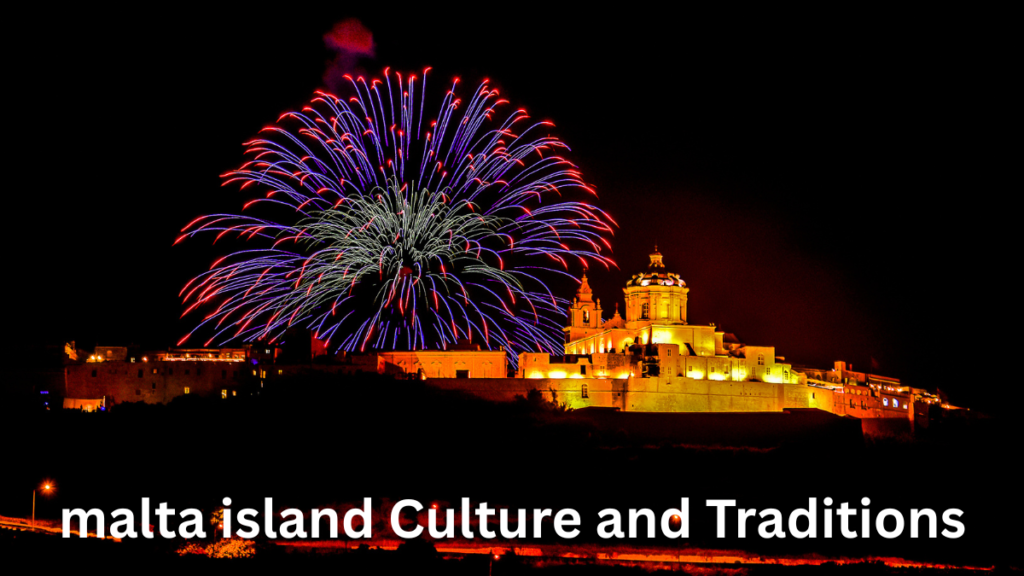
Malta’s culture is a unique blend of Mediterranean and European influences. The Maltese language, a fusion of Arabic, Italian, and English, reflects this diversity. Religion plays a central role, with Catholic festivals celebrated throughout the year. Colorful village festas, complete with fireworks and parades, showcase Malta’s deep spiritual traditions.
Music, dance, and crafts are integral to Maltese identity. Folk songs and traditional instruments highlight the island’s artistic heritage. Maltese cuisine is another cultural highlight, combining flavors from Italy, North Africa, and Britain. Dishes such as rabbit stew, pastizzi, and lampuki pie are beloved by locals and visitors alike. Together, these traditions create a vibrant cultural tapestry that makes Malta truly distinctive.
Top Attractions on Malta Island
Valletta, Malta’s capital, is a UNESCO World Heritage Site filled with baroque architecture, museums, and bustling streets. Highlights include St. John’s Co‑Cathedral, the Grandmaster’s Palace, and the Upper Barrakka Gardens, which offer panoramic views of the harbor.
Mdina, known as the Silent City, transports visitors back to medieval times with its narrow alleys and fortified walls. Beyond the main island, Gozo and Comino provide tranquil escapes. Gozo is famous for its rural charm and the Ġgantija Temples, while Comino’s Blue Lagoon is perfect for swimming and snorkeling. Other attractions include Dingli Cliffs, historic forts, and charming fishing villages, ensuring every traveler finds something captivating.
Activities and Experiences
Malta offers a wide range of activities for all types of travelers. Water sports such as diving, snorkeling, and sailing are popular, thanks to the island’s clear waters and diverse marine life. Hiking trails reveal breathtaking views of the countryside and coastline, while urban areas provide lively nightlife with clubs, bars, and cultural performances.
Shopping enthusiasts can explore local markets filled with handmade crafts, jewelry, and souvenirs. Families will find plenty of activities, including interactive museums, aquariums, and safe beaches. Whether you’re seeking adrenaline‑pumping adventures or relaxing leisure, Malta Island delivers unforgettable experiences that cater to every interest.
Travel Tips for Visitors
The best time to visit Malta is between April and October, when the weather is warm and ideal for outdoor activities. Transportation is convenient, with buses, ferries, and taxis available to explore the island. Accommodation options range from luxury resorts to budget‑friendly guesthouses, ensuring something for every traveler.
Visitors should also be mindful of local etiquette, such as dressing modestly when visiting churches. Malta uses the Euro, and while costs are generally affordable, budgeting wisely ensures a smooth trip. Safety is rarely a concern, as Malta is known for its hospitality and welcoming atmosphere. With these tips, travelers can enjoy a stress‑free and enriching experience on Malta Island.
Conclusion
Malta Island is a destination that offers something for everyone. Its rich history, stunning landscapes, vibrant culture, and diverse activities make it a Mediterranean gem worth exploring. Whether you’re wandering through ancient temples, diving into turquoise waters, or savoring Maltese cuisine, the island promises unforgettable memories. For history lovers, adventurers, and leisure travelers alike, Malta Island is a place that truly captures the spirit of the Mediterranean.
FAQs
Where is Malta Island located?
Malta Island lies in the central Mediterranean Sea, south of Sicily, Italy.
What is the best time of year to visit Malta Island?
The best time to visit is between April and October for warm weather and outdoor activities.
Is Malta Island family‑friendly for vacations?
Yes, Malta offers safe beaches, cultural sites, and family‑oriented attractions.
Do I need a visa to travel to Malta Island?
Visa requirements depend on your nationality; EU citizens don’t need one, others may.
What are the must‑try Maltese dishes?
Pastizzi, rabbit stew, lampuki pie, and ftira bread are local favorites.
Is Malta Island good for scuba diving and snorkeling?
Absolutely, Malta is renowned for clear waters, reefs, caves, and shipwrecks.
How many days are enough to explore Malta Island?
Four to seven days are ideal to cover major attractions and nearby islands.
What is the local language spoken on Malta Island?
Maltese and English are the official languages widely spoken.
Are there direct flights to Malta Island from major cities?
Yes, Malta International Airport connects directly with many European and Middle Eastern cities.
What are the top cultural festivals celebrated in Malta?
Village festas, Carnival, and the Feast of St. Paul’s Shipwreck are among the most popular.
Next Read: 2018 jeep compass