
A subungual hematoma is a condition characterized by blood accumulation under the nail, typically resulting from blunt or crush trauma. This injury can occur to both fingernails and toenails and is often associated with significant pain and discoloration.
What Causes a Subungual Hematoma?
A subungual hematoma occurs due to trauma to the nail bed, specifically the sterile or germinal matrix. Common causes include direct blows, such as hitting the nail with a hammer, or crushing injuries, where a heavy object compresses the nail. Such injuries lead to bleeding beneath the nail plate, causing the nail to appear blue or black.
Symptoms of Subungual Hematoma
The primary symptom of a subungual hematoma is the visible discoloration of the nail, which ranges from dark red to blue-black. Pain is another significant symptom, often described as throbbing, resulting from increased subungual pressure due to blood accumulation. Patients may also experience nail matrix damage, which can affect nail growth and appearance.
Diagnosis of Subungual Hematoma
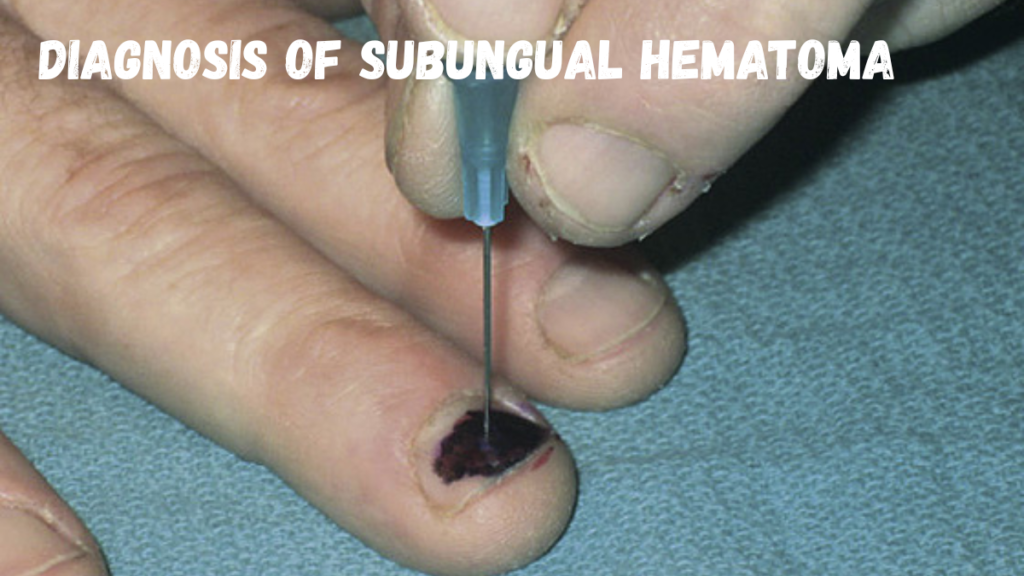
Diagnosing a subungual hematoma typically involves a physical examination by a healthcare professional. They assess the nail’s appearance and inquire about the injury’s mechanism. In some cases, imaging may be necessary to rule out fractures or other complications associated with nail trauma.
Treatment Options for Subungual Hematoma
Several treatment options are available for managing a subungual hematoma, depending on the severity of the injury. For mild cases, pain management through over-the-counter medications can alleviate discomfort. If the hematoma is extensive, a subungual hematoma drainage procedure may be performed to relieve pressure by creating a small hole in the nail to allow blood to escape.
Home Remedies for Bruised Nails
For those seeking at-home care, several remedies can support healing. Elevating the affected finger or toe can help reduce swelling, while applying ice packs can provide pain relief. However, it’s crucial to avoid excessive pressure on the injured area and to monitor for signs of infection, such as increased redness or pus.
Nail Care After Injury
Proper nail care after sustaining a subungual hematoma is essential for recovery. Keeping the area clean and dry helps prevent infection. It’s advisable to avoid activities that could further injure the nail, and if the hematoma becomes painful or grows larger, seeking medical attention is recommended. Regular monitoring can also ensure that the nail heals correctly.
Subungual Hematoma Complications
While most subungual hematomas heal without complications, some cases can lead to issues such as nail deformity or loss. If the hematoma is left untreated, it may result in nail matrix damage, affecting the nail’s growth and appearance over time. Consulting a healthcare professional can minimize these risks and ensure proper management of the injury.
Frequently Asked Questions
Will a subungual hematoma go away?
The healing process for a subungual hematoma typically results in the gradual reabsorption of blood, leading to eventual resolution. However, monitoring for complications is crucial.
How do I know if my subungual hematoma is serious?
If you experience severe pain, significant swelling, or if the discoloration spreads, it’s advisable to seek medical evaluation to rule out more serious injuries.
How long does toenail trauma take to heal?
The healing time for toenail trauma, including subungual hematomas, varies but typically ranges from several weeks to a few months, depending on the severity of the injury.
Is it normal for a bruised toenail to fall off?
Yes, it is common for a bruised toenail to eventually fall off, especially if the underlying nail matrix has been damaged. This usually occurs after the injury has healed.
What should I do if I have a subungual hematoma?
For minor cases, manage pain with over-the-counter medications and apply ice. If pain persists or the hematoma is large, consult a healthcare provider for potential drainage.
Can a subungual hematoma lead to infection?
Yes, there is a risk of infection if the area is not kept clean. Signs of infection include increased redness, swelling, and discharge, necessitating medical attention.
Understanding subungual hematomas and their treatment options is essential for effective recovery. Proper care and timely intervention can alleviate pain and promote healing, ensuring the nail regains its normal appearance over time.
Next Read: k-pop concerts near me